Looking after old furniture in a centrally heated house
Most antique furniture was made for cold, damp rooms. Modern heating is the thing most likely to damage it.
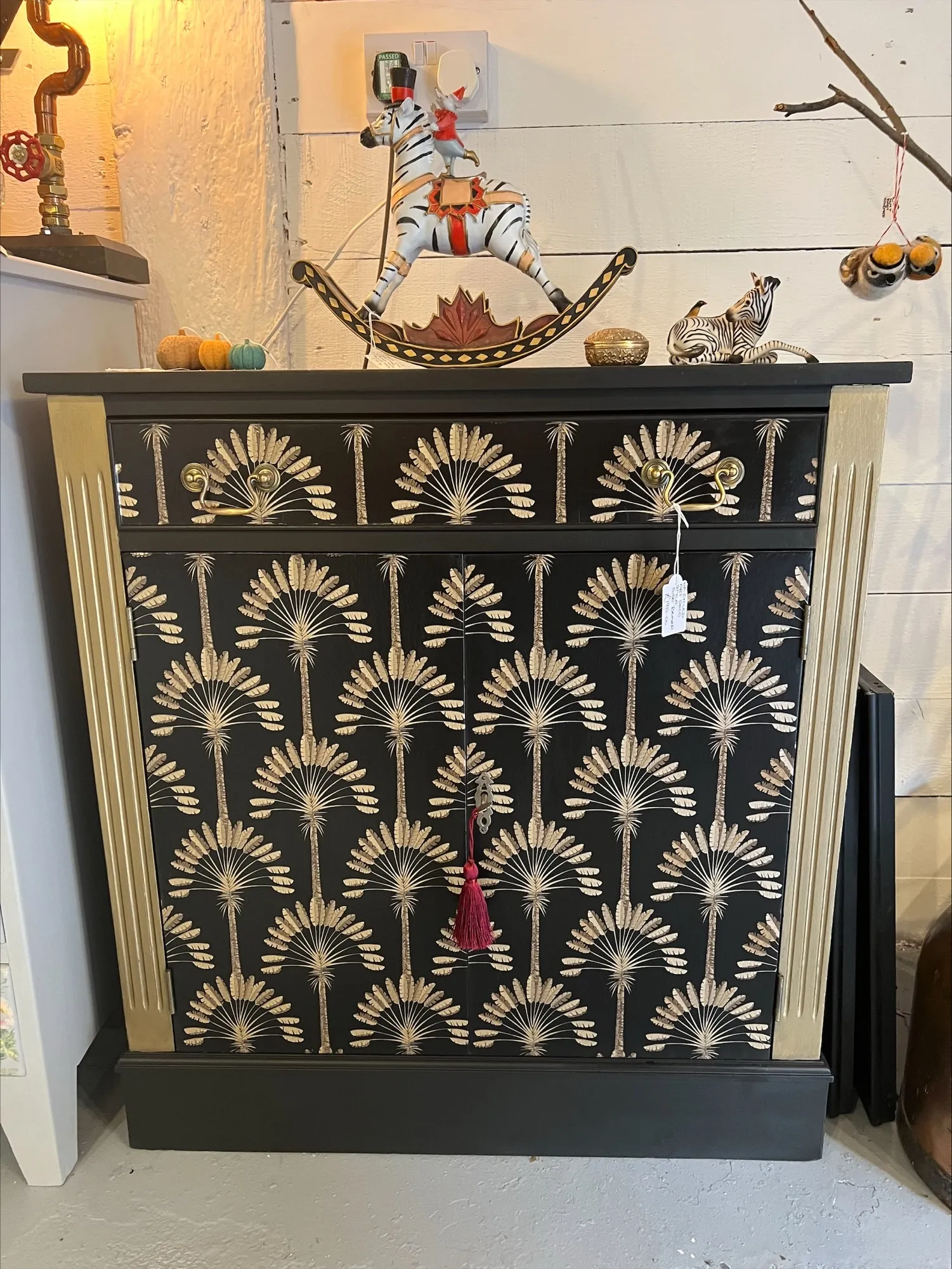
Almost everything I sell was built for a house with no central heating, draughty windows and a fire in one room. Drop a two hundred year old chest into a modern home at a steady twenty one degrees and the wood will react. Cracks along a tabletop, veneer lifting at the edges and drawers that suddenly stick are nearly always a humidity problem rather than a fault with the piece.
Keep it away from radiators. This is the big one. A chest standing against a radiator will dry out from the back and the top will start to split. If there is nowhere else for it to go, a shelf or a board fixed behind it will take the worst of the heat.
Give the room some moisture. You do not need any special equipment. A bowl of water out of sight behind a piece, or a few houseplants nearby, will lift the humidity enough to make a difference. If you have a piece you particularly care about, a small humidifier in winter is money well spent.
Watch the sunlight. Strong direct sun bleaches wood unevenly and will lighten one side of a piece within a couple of summers. It also cooks veneer and leather. Move things a foot out of the beam or close a blind in the afternoon.
Wax sparingly. Twice a year is plenty for most pieces, and a thin application buffed properly beats a thick one every time. Avoid the aerosol sprays sold as furniture polish, as most contain silicone that builds up into a haze and makes future repairs harder. A soft cloth and a good paste wax is all you need.
Lift rather than drag. Old joints were made to be glued, not shoved. Dragging a loaded chest across a floor puts all the strain on the joints and the feet. Empty the drawers and get someone to help.
Use mats and felt pads. Hot dishes, wet glasses and modern cleaning sprays all mark old finishes quickly. Felt pads under lamps and ornaments will save you a ring you cannot remove.
None of this is difficult and none of it takes long. Furniture that has lasted this well only needs a bit of thought about where it stands. If something has already cracked or lifted, bring a photograph in and I will tell you whether it is worth having repaired.